September 9, 2026/
Group therapy and somatic group processes offer a structured, relational space where people can practice regulation, connection, and new ways...
In today’s fast-paced world, distractions are everywhere, making it difficult to maintain focus and clarity. Mindfulness exercises for adults help cultivate awareness, improve concentration, and enhance overall well-being. Whether you’re looking for quick practices to fit into a busy schedule or engaging techniques to enjoy, this guide covers 10 science-backed mindfulness exercises to reduce stress and sharpen focus.
Before we dive into these mindfulness activities for adults, let’s explore what mindfulness is and how it can enhance daily life.

Mindfulness is the practice of being present in the moment without judgment. It involves focusing on thoughts, feelings, and surroundings to achieve clarity and peace. Research from leading institutions shows that regular mindfulness practice reduces cortisol (the stress hormone), improves concentration and attention span, and enhances emotional resilience.
Now, let’s explore 10 effective mindfulness exercises that you can incorporate into your routine.
Body scan meditation is a beginner-friendly mindfulness exercise for adults that gently relaxes the body while reducing tension and stress. This practice encourages stillness and mindful attention throughout the entire body, making it one of the most effective mindfulness exercises for adults. It’s also an accessible starting point for anyone new to mindfulness practice.
For busy professionals seeking quick practices, body scan meditation offers a grounding experience in just a few minutes. This calming technique promotes deep relaxation while enhancing bodily awareness, ideal for stress relief and mental clarity. It also complements other mindfulness practices like breathwork, walking meditation, or visualisation exercises.
Practicing this for 10–15 minutes daily can improve mindfulness and relaxation.
Walking meditation is a mindfulness practice for adults who enjoy movement and nature. This technique combines mindful walking with intentional awareness, providing an excellent way to connect with the natural world while staying present. Walking meditation is both restorative and energizing, offering a chance to slow down, breathe deeply, and ground yourself in the present moment.
Walking meditation sharpens attention, improves mental clarity, and provides gentle cardiovascular benefits while practicing mindfulness.
The Five Senses Exercise is an engaging mindfulness practice for adults that grounds attention in the present moment. This technique gently guides you through sight, sound, touch, smell, and taste, anchoring your awareness in the now.
This simple yet powerful technique encourages a full-body sensory check-in, making it perfect for anyone beginning their mindfulness journey. It’s ideal for busy days when you need a quick reset without lengthy practice. Incorporating this into your routine adds variety to your mindfulness toolkit and enriches your daily practice.
This quick practice reduces stress and anxiety while sharpening focus and anchoring attention to the present.
Gratitude journaling is an excellent mindfulness practice for adults that encourages self-reflection and appreciation. By focusing on what you’re grateful for, you naturally shift your attention to the present moment, reducing anxiety and promoting emotional balance. This practice is easy to start, requires only a few minutes each day, and fits perfectly into any schedule, whether you’re a busy professional or just beginning your mindfulness journey.
This practice shifts your mindset to positivity, improves sleep quality, reduces anxiety, and enhances overall well-being.
Eating is something we do every day, yet we often do it mindlessly. Mindful eating can transform this routine into a powerful mindfulness exercise for adults. By slowing down and focusing on each bite—its texture, taste, and aroma—we become more present in the moment and aware of our body’s signals.
Mindful eating is an effective mindfulness practice for adults, turning mealtime into an opportunity for reflection and calm. It fits naturally into any daily schedule and supports emotional balance, better digestion, and a deeper connection with food. Whether used as a daily practice or during meals at work, mindful eating offers a practical and accessible entry point for anyone exploring mindfulness in everyday life.
This exercise enhances awareness and enjoyment of food while improving digestion.
Guided meditation is a structured practice that provides step-by-step instructions, making mindfulness accessible and manageable for adults of all levels. These sessions are especially helpful for beginners, offering clear direction and support as you develop a consistent practice. Incorporating guided meditation into your daily routine improves mental clarity, reduces stress, and builds sustainable mindfulness habits.
Guided meditation combines relaxation with purposeful focus, making it ideal for both beginners and experienced practitioners. Whether you have 5 minutes or 30 minutes, it fits easily into any schedule on your commute, during lunch break, or before bed. The structure and guidance encourage consistent practice, which is essential for developing long-term mindfulness benefits.
Guided meditations help improve concentration, reduce anxiety, and enhance mindfulness.
Visualization exercises are a powerful mindfulness practice for adults that uses mental imagery to sharpen focus and promote deep relaxation. By vividly imagining peaceful scenes or positive outcomes, you can calm your mind and reduce stress quickly. This technique anchors attention in the present moment while improving emotional well-being and building mental resilience.
Incorporating visualization into your daily routine is an effective way to practice mindfulness with a simple yet impactful method. Whether you have 5 minutes or 30 minutes, this technique can be done anytime, anywhere, during a work break, before sleep, or whenever you need mental clarity. Visualization strengthens mental resilience, improves emotional well-being, and provides a convenient tool for managing daily stress.
This practice clears mental clutter, sharpens focus, and helps you visualize and achieve personal goals.
Mindful stretching combines intentional movement with breath awareness, creating a powerful practice for stress reduction and improved focus. This simple technique connects your breath with movement, allowing you to release physical tension and create a calming moment in your day. Mindful stretching increases body awareness, promotes relaxation, and bridges movement with mindfulness practice.
Mindful stretching offers an accessible and enjoyable way to engage both body and mind. Whether done in the morning, during a work break, or before bed, it fits naturally into any schedule. Adding mindful stretching to your day helps you manage stress, enhance physical flexibility, and maintain mental clarity throughout the day.
Incorporating mindful stretching into your daily routine enhances flexibility and focus.
Reducing screen time is essential for mental clarity and emotional balance. Practicing mindfulness for adults through a digital detox encourages awareness of the present moment without the distractions of phones, tablets, or computers. This mindfulness exercise for adults helps break the habit of constant digital engagement and fosters a deeper connection with oneself.
During a digital detox, practices like focused breathing, mindful nature observation, and journaling significantly improve mental clarity and reduce anxiety. These activities provide a refreshing break from digital overload and promote deeper relaxation. Incorporating mindful walking, brief meditation, or simple breathing exercises during screen breaks supports emotional calm and sharpens focus for the rest of your day.
Overall, a digital detox helps build a healthy balance by limiting screen time and encouraging meaningful, present-focused moments. This practice enhances mental wellness, improves sleep quality, and strengthens your ability to stay present in daily interactions.
A digital detox helps break distractions and improves productivity.
Also Read: 8 Mindfulness Exercises to Reduce Stress and Anxiety
Q1. How can mindfulness exercises improve focus?
Ans. Mindfulness for adults helps train the brain to stay present, improving concentration and mental clarity. Regular mindfulness exercise for adults reduces distractions and enhances attention span, making it easier to stay focused on tasks throughout the day.
Q2. What are some fun mindfulness exercises for adults?
Ans. Effective mindfulness exercises for adults include mindful breathing, guided imagery, body scans, walking meditation, and visualization. These engaging practices promote relaxation while keeping the mind active, making it easier to build a consistent mindfulness routine.
Q3. Can mindfulness exercises help reduce stress?
Ans. Yes, mindfulness exercises for adults are proven to reduce stress by encouraging awareness and acceptance of present moments. Fun mindfulness activities for adults can calm the nervous system and help release tension, promoting emotional balance and overall well-being.
Q4. What is the best mindfulness exercise for beginners?
Ans. For beginners, simple practices like deep breathing, the five senses exercise, or body scan are ideal starting points. These practices are easy to learn and provide a gentle introduction to mindfulness without overwhelming the individual.
Q5. Where can I learn mindful activities for adults?
Ans. You can learn mindful activities for adults through online platforms, mindfulness apps, or workshops. Resources like Embodywise offer guided exercises and tips specifically designed to support mindfulness for adults at all levels.
Group therapy and somatic group processes offer a structured, relational space where people can practice regulation, connection, and new ways...
Cultural competence in therapy refers to a clinician’s ability to understand, respect, and work effectively with people from diverse cultural...

Emotions play a significant role in our daily lives, influencing our thoughts, decisions, and behaviors. However, when emotions become overwhelming,...

In recent years, there's been a surge of interest in psychedelic-assisted therapy as a promising approach to mental health treatment....
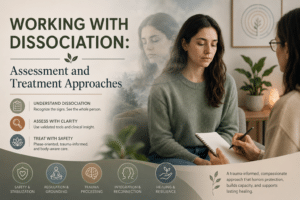
You are mid-session and something shifts. The client was describing an argument with their mother, and now their voice has...

EMDR, or Eye Movement Desensitization and Reprocessing, is a structured trauma-focused psychotherapy that helps people process distressing memories so they...
Embodied Wisdom, Right to Your Inbox
Join our community of somatic practitioners, and receive exclusive announcements for programs, special offers, and resources.