2027 Hakomi Comprehensive Training Level 1 in California
A Hybrid Learning Experience
Applications will open soon
Sign up below to receive updates as they are released.
Other Opportunities to Get Started
Program Overview
Our long-awaited Hakomi Comprehensive Level I is coming in 2027 in a hybrid format, combining live, online learning with in-person modules in Berkeley, California.
This program is a collaboration between the Hakomi Institute of California and Embodywise.
This highly anticipated training offers a comprehensive and immersive foundation in the Hakomi method. Participants will engage deeply with Hakomi principles, core theories, maps and models, and the specific techniques that define the work.
Each module integrates didactic teaching, experiential exercises, discussion, movement and embodiment practices, group process, and supervised practice to support meaningful integration. The hybrid design is being developed to support both the depth of the in-person learning and the accessibility of live online training.
Designed for professional therapists, clinical social workers, counselors, interns and students in related fields, licensed healing arts practitioners, and those transitioning into somatic psychotherapy, Level One is intended for those who want to study the method thoroughly and in its entirety
Comprehensive Training at a Glance
Duration: Two Years
Format: Hybrid (Live Online & Two In-Person Immersions Each Year)
Pathway: Year One Foundations, Year Two Advanced Clinical Practice
Certification: Primary pathway toward Hakomi Certification
Learning: Lectures • Live Demonstrations • Experiential Practice • Small-Group Supervision • Consultation.
Comprehensive Training at a Glance
- Duration: Two Years
- Format: Hybrid (Live Online & Two In-Person Immersions Each Year)
- Pathway: Year One Foundations, Year Two Advanced Clinical Practice
- Certification: Primary pathway toward Hakomi Certification
- Learning: Lectures • Live Demonstrations • Experiential Practice • Small-Group Supervision • Consultation
Program Details
Training Schedule
Application & Cost
Eligibility
Learning Objectives
Hybrid Format: live online + in-person modules - Spring 2027
Module 1: April 9-11, 2027 (In-Person, Bay Area, CA)
Module 2: May 7-8, 2027 (Live, online via Zoom)
Module 3: June 11-12, 2027 (Live, online via Zoom)
Module 4: September 10-11, 2027 (Live, online via Zoom)
Module 5: October 22-23, 2027 (Live, online via Zoom)
Module 6: November 19-21, 2027 (In-Person, Bay Area, CA)
Module 7: December 3-4, 2027 (Live, online via Zoom)
Module 8: January 21-22, 2028 (Live, online via Zoom)
Session Times (all times are Pacific):
Online Modules:
Friday & Saturdays: 8:30 am - 4:00 pm, Pacific Time
In Person Immersions:
Friday & Saturday: 9:00 am - 5:30 pm, PT
Sunday: 9:00 am - 4:30 pm, PT
Webinars
Webinar 1 July 9, 2027 (Live, online via Zoom)
Webinar 2: August 6, 2027 (Live, online via Zoom)
Webinar 3: September 24, 2027 (Live, online via Zoom)
Webinar 4: October 29, 2027 (Live, online via Zoom)
Webinar 5: January 14, 2028 (Live, online via Zoom)
Webinar Schedule (all times are Pacific)
9:00 am - 11:30 am, Pacific Time
Applications for the 2027 program are accepted through an online form. The program offers rolling admissions, meaning that applications will be reviewed as they are received until the program is filled. The deadline for early applications is March 1, 2027 and the deadline for final applications is March 28, 2027. Learn more and apply.
Please see FAQs section for information on scholarships, cancellations, and CE credits.
Application Fee
$75
Early Registration
$4,995 if applied by March 1, 2027
Final Application Date
March 28, 2027
Final Registration and Payment:
$5,495 if enrolled by April 2, 2027
Special Rates:
20% off regular registration price for CIIS Hakomi Graduates ($4,396)
50% off for repeat students ($2,748)
Important Details
Tuition cost is not reimbursable under any circumstance, including but not limited to cancellation for illness-related conditions, travel delays, or other extenuating circumstances.
After you are notified that your application has been approved, a $500 non-refundable deposit and signed payment and liability agreement are required within seven (7) days of acceptance to secure your place in the training. Registration is not complete until both have been received.
If the deposit and agreement are not received within this timeframe, the offer of admission may be withdrawn and the space released to another applicant.
Due to the limited number of scholarships available, scholarship awards are only held for seven (7) days from the date of acceptance. If registration is not completed within that time, the scholarship may be forfeited and is not guaranteed to be reinstated.
The remaining tuition balance is due fourteen (14) days prior to the start of the training. If a payment plan has been arranged in advance, the first payment is due at that time.
Applicants accepted after the final application deadline are required to submit full payment upon acceptance to confirm enrollment.
All participants will need to sign a contract agreeing to the financial conditions of this training. VISA, MasterCard, Discover and American Express are accepted. Wire Transfer is a payment option (customer is responsible for wire transfer fees).
The Hakomi Comprehensive Training is designed for healing arts professionals who want to deepen their clinical practice through mindfulness, somatic psychotherapy, and experiential methods. Whether you are expanding an established practice or building a new clinical foundation, the training offers a comprehensive and integrative approach to working with the whole person.
This training is appropriate for:
- Licensed psychotherapists and counselors
- Clinical social workers
- Psychologists and other licensed mental health professionals
- Marriage and Family Therapists and associates
- Graduate students, interns, and pre-licensed clinicians in psychotherapy and counseling programs
- Psychiatrists, psychiatric nurses, and other behavioral health professionals
- Licensed healing arts practitioners whose scope of practice includes psychotherapy or counseling
- Experienced helping professionals transitioning into somatic psychotherapy
Participants who wish to integrate mindfulness, embodied awareness, and relational presence into their therapeutic work will find this training especially valuable. Whether you work with trauma, attachment, anxiety, depression, relationship issues, or personal growth, the Hakomi Method offers a compassionate and clinically sophisticated framework for supporting meaningful and lasting change.
Because the training is highly experiential, students are invited to engage in both professional skill development and personal self-study, recognizing that the therapist's own awareness and embodiment are essential components of effective clinical practice.
For those helping professionals who are not currently licensed mental health practitioners, we strongly encourage additional training in counseling psychology. Many of the techniques we teach in Hakomi address core-level psychological wounding, and thus have the potential to impact our clients at the deepest levels. For unlicensed students wishing to use these deeper techniques, a more general training is counseling psychology is also recommended, in order to (1) become familiar with which clients the deeper Hakomi techniques might be effective and with which clients using such techniques might be counter-productive, and (2) receive training in a myriad of clinical issues the Hakomi Comprehensive Training does not address, including addiction, eating orders, severe psychiatric disorders, complex family dynamics, and numerous other issues.
Completion of a Hakomi Intro Workshop is required*
This training can also be a track for those seeking certification in the Hakomi Method. Please visit our website or Hakomi Institute (international headquarters) to learn more.
This training requires the completion of a 12-hour Hakomi Intro workshop. If you have not yet completed a Hakomi Intro, we are currently offering the following options:
- August 29: Hakomi Intro Workshop: Listening Through the Body with Shai Lavie
- March 25-26, 2027: 3-day workshop in San Diego CA with PESI (in-person)
- You can also find a complete list here (be sure to confirm the workshop satisfies the Comprehensive Training requirement):
Intro Workshops | Hakomi Institute
*If you anticipate any challenges that may affect your ability to meet this requirement, please send an email to info@embodywise.com. We are committed to supporting accessibility and may be able to provide reasonable accommodations on a case-by-case basis.
Throughout the Comprehensive Training, students cultivate the knowledge, clinical skills, and embodied presence needed to practice the Hakomi Method with confidence, sensitivity, and integrity.
Embodied Understanding of Hakomi Principles
Students learn to practice therapy from the core Hakomi principles of mindfulness, nonviolence, unity, and organicity, cultivating a therapeutic environment of safety and curiosity.
Clinical Precision and Somatic Competence
Students develop the ability to recognize and work skillfully with somatic experience, mindfulness, and present-moment process. They learn to apply Hakomi interventions with increasing precision, attunement, and clinical discernment.
Understanding Developmental Adaptations and Character Organization
Students explore how early developmental experiences, attachment patterns, family systems, and cultural influences shape personality organization. They learn to recognize these adaptive patterns as they emerge through the body, emotions, beliefs, and relational dynamics.
Therapeutic Presence: The Self as Instrument
Students deepen awareness of their own internal experience and develop the capacity to use mindfulness, presence, and embodiment as essential therapeutic resources. Through ongoing self-study and experiential practice, they cultivate greater emotional regulation, relational attunement, and responsiveness in the therapeutic encounter.
Understanding the Systems That Shape Us
Effective psychotherapy requires more than clinical skill; additionally, it asks therapists to understand the many influences that shape both our clients' lives and our own. Throughout the training, students are invited to explore how family, culture, social identity, historical context, and systems of privilege and marginalization contribute to our ways of perceiving, relating, and making meaning.
Through mindful self-reflection and experiential inquiry, participants examine their own social location, lived experiences, assumptions, biases, and values, recognizing how these inevitably enter the therapeutic relationship. This exploration is approached with curiosity, compassion, and nonjudgment, consistent with the core principles of the Hakomi Method.
Students are encouraged to consider the unique responsibility of the therapist's role, including the ways in which therapists hold influence and power within the therapeutic relationship. Developing awareness of this dynamic supports greater humility, ethical practice, and the capacity to create an environment in which clients from diverse backgrounds feel respected, understood, and safe.
Rather than striving for certainty or perfection, this aspect of the training focuses on ongoing self-awareness and cultural responsiveness. It prepares therapists to meet the complexity of human experience with openness, sensitivity, and a commitment to lifelong learning.
Integrating Theory and Practice
Students learn to integrate Hakomi's theoretical foundations with practical clinical application through supervised practice, experiential learning, and reflective inquiry. By the end of the training, they are able to bring Hakomi principles into their therapeutic work with greater confidence, flexibility, and authenticity.
Year One: Foundations of Mindful Somatic Psychotherapy
The Hakomi Comprehensive Training is a two-year professional program that provides an in-depth education in the Hakomi Method of Mindful Somatic Psychotherapy.
As one of the pioneering mindfulness-based somatic psychotherapy approaches, Hakomi integrates mindfulness, embodied awareness, relational presence, and experiential inquiry to help clients access and transform the implicit beliefs, emotional memories, and adaptive patterns that shape their lives.
Year One establishes the essential foundations of the Hakomi Method. Through a highly experiential learning process, students develop the capacity to track the body’s moment-to-moment experience, cultivate therapeutic presence, and work skillfully with trauma, attachment, developmental adaptations, and the unconscious organization of experience.
The program is offered in a hybrid format, combining the depth of two in-person immersion retreats with live online training weekends. This structure allows students to build a sustained learning community while benefiting from intensive experiential practice, ongoing supervision, and the opportunity to integrate new skills into their clinical work between sessions.
The training combines contemporary neuroscience, somatic psychology, mindfulness practice, attachment theory, and experiential psychotherapy within a compassionate, nonviolent clinical framework. Participants learn not only new therapeutic interventions, but also how to embody the qualities of presence, curiosity, and attunement that are central to effective psychotherapy.
Designed for licensed mental health professionals, associates, graduate students, and helping professionals seeking advanced clinical training, the program integrates lectures, live demonstrations, supervised practice, experiential exercises, and ongoing consultation to support deep personal and professional development.
Students may enroll in the full two-year Comprehensive Training or begin with Year One and continue into Year Two to further refine clinical skill, therapeutic precision, and integration.
The Hakomi Comprehensive Training is also the primary pathway toward certification in the Hakomi Method.
What Makes Hakomi Unique
Hakomi is recognized worldwide as one of the foundational approaches in mindfulness-based somatic psychotherapy. Its effectiveness lies in the integration of several essential principles:
- Mindfulness is the primary therapeutic process, creating the conditions for deep self-discovery and change.
- The body as a source of wisdom, using present-moment somatic experience to access implicit beliefs, emotional learning, and developmental patterns.
- Loving presence as the foundation of the therapeutic relationship, fostering safety, attunement, and authentic connection.
- Experiential inquiry that gently reveals the unconscious organizing patterns shaping perception, emotion, behavior, and relationships.
- A nonviolent, organic approach to change, trusting the client’s innate capacity for healing and self-organization rather than imposing solutions.
he Hakomi Comprehensive Training is a two-year professional program that provides an in-depth education in the Hakomi Method of Mindful Somatic Psychotherapy.
Rather than relying primarily on insight, interpretation, or cognitive restructuring, Hakomi invites clients into mindful exploration of their present-moment experience. By working directly with implicit memory, nervous system regulation, attachment dynamics, and embodied experience, lasting transformation emerges naturally from within rather than through effort alone.
This approach enables therapists to help clients move beyond symptom reduction toward greater self-awareness, emotional resilience, relational capacity, and embodied well-being.
Why Somatic Psychotherapy Matters Today
Advances in neuroscience, attachment theory, and trauma research have increasingly confirmed what somatic psychotherapists have recognized for decades: our experiences are not only remembered through thoughts and stories, but are also embodied in the nervous system.
Trauma, chronic stress, relational wounds, and developmental adaptations are often organized through implicit memory—patterns that shape how we perceive ourselves, others, and the world long before they become conscious. While insight and cognitive understanding are valuable, lasting therapeutic change often requires working directly with the body’s lived experience.
Somatic psychotherapy helps clients cultivate awareness of sensations, breath, movement, posture, impulses, and relational responses as they unfold in the present moment. These embodied experiences provide direct access to the unconscious patterns that influence emotions, behaviors, and relationships. By bringing mindful awareness to these patterns, clients can discover new possibilities for regulation, resilience, and healing.
Hakomi has been at the forefront of this movement for over four decades. As one of the original mindfulness-centered somatic psychotherapy methods, Hakomi integrates mindfulness, embodied awareness, and relational presence to create a therapeutic process that is both gentle and deeply transformative. Rather than attempting to change clients through analysis or interpretation, Hakomi supports the conditions in which change can emerge naturally from within.
Through Hakomi, clients learn to:
- Recognize unconscious beliefs and organizing patterns held in the body.
- Access and integrate implicit emotional and developmental memories.
- Restore greater nervous system regulation and resilience.
- Develop new relational and embodied experiences that support lasting change.
- Cultivate greater flexibility, vitality, and connection in daily life.
For therapists, learning somatic psychotherapy expands the clinical lens beyond thoughts and symptoms to include the whole person—body, mind, emotions, relationships, and nervous system. It offers a way of working that is grounded in presence, informed by contemporary science, and guided by deep respect for each person’s innate capacity for healing.
As the fields of trauma therapy, interpersonal neurobiology, and contemplative psychology continue to evolve, somatic psychotherapy is becoming an essential foundation for effective clinical practice. Hakomi remains one of the field’s most respected and enduring approaches, offering a comprehensive framework for facilitating profound and lasting transformation.
Year One: Foundations of Somatic Therapeutic Practice
Year One provides a comprehensive foundation in the theory, principles, and clinical practice of Hakomi Mindful Somatic Psychotherapy. Through an experiential learning process, students develop the capacity to work skillfully with present-moment experience, mindful awareness, and embodied therapeutic presence.
Students learn to recognize subtle somatic cues, support mindful self-study, and facilitate experiential processes that reveal the unconscious beliefs, emotional patterns, and developmental adaptations shaping a client’s experience.
Throughout the year, students develop proficiency in:
- The principles and therapeutic philosophy of the Hakomi Method
- The Hakomi therapeutic stance of mindfulness, nonviolence, unity, and organicity
- Somatic tracking and moment-to-moment awareness of the body
- Mindfulness as a clinical method for accessing implicit experience
- Hakomi maps and models for understanding personality, organization, and change
- Core Hakomi interventions, experiments, and experiential techniques
- Essential Hakomi skills, including Contact, Tracking, and Accessing
- The therapist’s embodied presence as the primary therapeutic instrument
- Social Location Awareness and the cultivation of cultural humility within the therapeutic relationship
- The ability to skilfully attend to the therapeutic relationship and facilitate repair as needed
- Recognizing and working with organizing themes that deepen therapeutic exploration
- Facilitating transformational experiences through mindful inquiry
- The stages of the Hakomi therapeutic process
- Understanding trauma activation, nervous system regulation, and somatic resourcing
By the end of Year One, students have developed a strong foundation in working with embodied experience, implicit memory, attachment dynamics, and relational patterns. They leave with practical clinical skills that can be integrated immediately into psychotherapy while preparing for the more advanced therapeutic applications explored in Year Two.
An Embodied Learning Environment
Hakomi is learned through experience. Rather than simply studying concepts or techniques, students are invited to embody the principles of the method through direct practice, mindful self-exploration, and supervised clinical application.
Across both the in-person immersions and live online training weekends, students engage in a rich blend of learning experiences, including:
- Interactive teaching and conceptual frameworks
- Live demonstrations of Hakomi psychotherapy sessions
- Guided experiential exercises
- Somatic movement and embodiment practices
- Small-group practice with faculty supervision and individualized feedback
- Group reflection, discussion, and integration
This experiential approach allows students to develop both clinical competence and embodied therapeutic presence. As learning unfolds over time, students begin to internalize the Hakomi Method, cultivating the sensitivity, confidence, and attunement needed to work effectively with clients.
Throughout the year, participants progressively develop the ability to:
- Track subtle somatic cues and nervous system organization
- Facilitate mindfulness as a therapeutic process
- Design and implement experiential interventions
- Support organic, client-centered transformation
- Recognize and work with developmental adaptations and relational patterns
- Deepen therapeutic presence, attunement, and embodied responsiveness
By learning through experience, reflection, and supervised practice, students develop not only new clinical skills but also a way of being with clients that is grounded in mindfulness, curiosity, compassion, and respect for each person’s innate capacity to heal.
A Hybrid Learning Experience
The Hakomi Comprehensive Training is intentionally designed as a hybrid program that combines the depth of immersive, in-person learning with the continuity and accessibility of live online education.
Throughout the year, students participate in two in-person immersion retreats, where they engage in extended experiential practice, live demonstrations, mindfulness practice, supervision, and community building. Between immersions, live online training weekends provide ongoing instruction, practice groups, and opportunities to integrate learning into clinical work.
This rhythm of immersion, practice, reflection, and application supports deep learning over time. Students are able to immediately apply new skills with clients, return with questions and clinical experiences, and continue refining their practice within a supportive learning community.
The hybrid format offers:
- Deep experiential learning during in-person immersions
- Consistent faculty support throughout the year
- Ongoing practice and supervision
- Time to integrate learning into clinical practice
- A connected learning community that develops over the full two-year program
Path to Certification in the Hakomi Method
The Hakomi Comprehensive Training provides the foundational training required for those who wish to pursue certification in the Hakomi Method.
Students who complete the full two-year Comprehensive Training and additional advanced coursework may apply for certification through the Hakomi certification process.
The California Comprehensive Training includes an overview of the Hakomi Character Map, introducing students to the developmental and somatic patterns that organize personality. However, it does not provide an in-depth study of character strategies.
For students interested in certification, we offer a separate, in-depth Character Strategy Training that fulfills the character study requirement for certification eligibility.
Certification candidates participate in mentorship and supervision and demonstrate their clinical competence through observed sessions evaluated by Hakomi trainers.
For students who wish to pursue certification in the Hakomi Method, the California training program offers a clear developmental pathway.
1. Comprehensive Training (Two Years)
Students begin with the Hakomi Comprehensive Training, a two-year program (approximately 300 contact hours) that provides the foundational study of:
- Hakomi principles and therapeutic stance
- Somatic awareness and mindfulness in therapy
- Core Hakomi methods and interventions
- Developmental and relational patterns in the body
Year One includes an introduction to the Hakomi Character Map, offering an overview of how character patterns organize around developmental experience.
2. Character Strategy Training
Students seeking certification complete a separate in-depth Character Strategy Training.
This advanced training explores the Hakomi Character Map in depth, including:
- Developmental and relational organization of character patterns
- Somatic expressions of character strategies
- Clinical applications of character understanding in therapy
Completion of this training fulfills the character study requirement for certification eligibility.
3. Mentorship and Supervision
Certification candidates participate in ongoing mentorship and supervision, refining their clinical skills and deepening their understanding of the Hakomi Method.
This stage supports the integration of:
- Hakomi principles in clinical practice
- Somatic tracking and mindfulness-based interventions
- Therapist presence and relational attunement
4. Certification Review
Candidates demonstrate their competence through observed clinical sessions evaluated by two Hakomi trainers. Certification reflects the therapist’s ability to practice the Hakomi Method with skill, presence, and fidelity to the principles of the work.
FAQs
For more information, including accommodation for special needs and details about our grievance process, contact our administrator at info@embodywise.com.
This program is sponsored by Embodywise. Embodywise is approved by the California Association of Marriage and Family Therapists to sponsor continuing education for LMFTs, LPCCs, LEPs, and/or LCSWs. Embodywise maintains responsibility for this program/course and its content.
This course meets the qualifications for up to 104 hours of continuing education credit for LMFTs, LPCCs, LEPs, and/or LCSWs as required by the California Board of Behavioral Sciences. CE approval agency: CAMFT. Provider number: 82187. CE hours are subject to change with schedule changes.
Full Attendance is required to receive CEs. This means being present for all scheduled hours of the training or course. A grace period of up to 15 minutes per session is permitted for late arrivals or early departures.
You will need to sign our CE sign-in sheet and submit a signed class evaluation form to receive CE credit for this course. We will email CE certificates within 30 days after the course ends.
If you live outside of California, please check with your local licensing board to ensure that they’ll accept this course for CE credit. As an approved continuing education provider, Embodywise is required to award CE credit for instructional time only; no CE credit will be granted for lunches and breaks.
Applicants will be asked to submit the following as part of the application process:
- Education and licensure, if applicable. Any scope of practice that is relevant.
- Somatic or Mindfulness practice experience
- Brief description of strengths and growth edges as related to this program
- Scholarship statement for eligible/interested applicants
- Two clinical reference letters are also required to complete the application.
Applications are reviewed on a first come, first serve basis.
We are committed to making our training available to underrepresented groups such as People of the Global Majority, LGBTQIA+, military service members, veterans, first responders, persons with disabilities, those experiencing economic marginalization.
We will have a limited number of slots to support historically underrepresented groups and recognize the need to support these groups to facilitate our vision for an inclusive and equitable access to these trainings. If you meet these criteria and would like to apply for a scholarship, please complete both the application form and the scholarship application.
Scholarship amounts are based on the regular registration price, not the early registration price.
- Cancellations received by email before the early registration date will receive a full refund of the tuition, minus the non-refundable deposit and a $40 administrative fee.
- Cancellations received by email after the early registration date but before the final registration date will receive a 50% refund of the tuition, minus the non-refundable deposit and a $40 administrative fee.
- No refunds will be issued for cancellations received after the final registration date or for non-attendance.
- Tuition cost does not include any travel related expenses and are not reimbursable under any circumstance, including but not limited to cancellation for illness-related conditions, travel delays, or other extenuating circumstances.
- Should minimum attendance requirements not be met, this event may be canceled, and a full tuition refund will be issued.
We understand that unforeseen circumstances such as illness may arise, however please note that due to the nature of our services and the commitments involved, we have a no-refund policy in place for various situations, including but not limited to illness-related conditions, travel delays, or other extenuating circumstances.
Makeup Policy
There are 18 total training days throughout the program. However, it’s important to note that attendance is tracked by session, not by day or by hour. The daily training schedule is split with a lunch break and include two sessions. Each session is tracked individually toward your attendance total.
There are 36 total sessions (including both online and in-person sessions). To receive a certificate of completion, participants must attend at least 29 of the 36 training sessions and may miss no more than 7 sessions. If you miss more than 20%, the following makeup requirements apply:
If you miss 8 sessions, in order to get a certificate of completion, you'll need to listen to all the Learning Platform classes, as well as the videos of the live days you missed, write a brief report of what you learned in each one, do any exercises from those times with a group member or to pay an assistant to do them with you, and write a report on that as well. This should be done within a six-month window from the end of the training and requires a $150 Review Fee.
If you miss between 9 and 12 sessions, in addition to the requirements above, you can work with one of the Hakomi Teachers or Teachers in Training to do some live sessions with a buddy to demonstrate your skills level, ask questions about the material and get some additional input. It would be a good learning experience in any case, but could take some time to make sure your skills level is equivalent to Level One. You can arrange this with one of our teachers or teachers in training separately at their normal fees, and then they can report back to the lead faculty when they think your skills are ready.
If you miss more than 12 sessions, you'll need to take the Level 1 training again to receive a certificate of completion and/or continue on to Professional Training Level 2. We'll be happy to offer you a 50% repeat-student discount.
Brief Report Requirements
For each portion of a training missed and reviewed (e.g. - 1.5 hrs) - one short paragraph (100 ~ 200 words). For each full training day missed and review - one page (~ 500 words)
CE certificates are issued by module, not by individual session. Full attendance and participation in all sessions within a module is required to receive CE credit for that module. If any portion of a module is missed, CE credit cannot be awarded for that module.
Peer Practice Groups
We encourage all students to participate in self-organizing practice groups. Please note that these groups are not faculty-led and are not moderated. There will also be no tech support provided. However, we’ve created some guidance to help you get started:
-
A Google Doc will be available to registered participants with suggested practice dates and times.
-
Students can sign up to be a group leader, providing their own Zoom meeting link.
-
Students can then sign up for a group by selecting a time and a group leader.
-
If the suggested times don’t work, students are welcome to propose different dates and times and self-organize.
-
Practice instructions will be provided on our learning platform for each module to help guide you.
We highly recommend participating in these practice groups to support your learning journey!
Recording our live online training sessions is an integral part of our educational process. These recordings serve as valuable resources for both the enhancement of our training programs and for the benefit of all participants. However, we understand that some individuals may have reservations about being recorded, and we want to ensure transparency and respect your concerns.
It is our policy to record all training sessions for training purposes. These recordings may include audio, video, and screen-sharing content. The recording is made available on our online learning platform for participants to access throughout the training program. If you comment during a presentation, this will be recorded. Breakout groups are not recorded.
We respect your right to privacy and offer options for those who prefer not to appear on the recordings. You may choose to turn off your video and mute your microphone during the session, ensuring that your image and voice will not be captured in the recording. However, please note that participating in these sessions indicates your agreement to be recorded unless you opt out using these provided options.
Program Faculty
View all members of the Hakomi California Faculty

Manuela Mischke-Reeds, MA, LMFT
Certified Hakomi Therapist and Trainer ISITTA Founder and Trainer
Manuela Mischke-Reeds, MA, LMFT
Certified Hakomi Therapist and Trainer ISITTA Founder and Trainer
Manuela Mischke-Reeds, MA, LMFT, is a Certified Hakomi Therapist and Trainer, a licensed Somatic Psychotherapist, and a Licensed Marriage and Family Therapist (LMFT 40823). She trains health professionals in the Hakomi Method in California, Australia and Europe. She recently developed a Hakomi based trauma and attachment training for clinicians in Germany. Manuela specializes in integrating somatic psychotherapy with somatic trauma therapy, attachment psychotherapy, infant mental health and movement therapy.
She serves as a faculty member at John F. Kennedy University and Sofia University (formerly the Institute of Transpersonal Psychology). She holds an MA in Somatic Psychology from California Institute of Integral Studies, and a BA in Dance Therapy from the Naropa University.
In addition, she has trained in various methods of working with trauma and counseled survivors of political oppression, torture and trauma. She is a practitioner of Somatic Experiencing, a trauma resolution method developed by Peter Levine. She is a graduate Fellow at the Napa Infant Mental Health Fellowship Program, led by Dr. Ed Tronick. She is a recent graduate of the Child Trauma Institute of San Francisco and has expanded her practice in working with children and parents suffering the effects of trauma.
Manuela has extensive training in the field of movement therapies, and is an authorized Continuum Movement teacher. She has also been a student of Buddhist meditation practice for many years and has authored two books: '8 Keys to Practicing Mindfulness: Practical Strategies for Emotional Health and Well Being' and 'Somatic Psychotherapy Toolbox: 125 Worksheets and Exercises to Treat Trauma & Stress'.
manuelamischkereeds.com
She serves as a faculty member at John F. Kennedy University and Sofia University (formerly the Institute of Transpersonal Psychology). She holds an MA in Somatic Psychology from California Institute of Integral Studies, and a BA in Dance Therapy from the Naropa University.
In addition, she has trained in various methods of working with trauma and counseled survivors of political oppression, torture and trauma. She is a practitioner of Somatic Experiencing, a trauma resolution method developed by Peter Levine. She is a graduate Fellow at the Napa Infant Mental Health Fellowship Program, led by Dr. Ed Tronick. She is a recent graduate of the Child Trauma Institute of San Francisco and has expanded her practice in working with children and parents suffering the effects of trauma.
Manuela has extensive training in the field of movement therapies, and is an authorized Continuum Movement teacher. She has also been a student of Buddhist meditation practice for many years and has authored two books: '8 Keys to Practicing Mindfulness: Practical Strategies for Emotional Health and Well Being' and 'Somatic Psychotherapy Toolbox: 125 Worksheets and Exercises to Treat Trauma & Stress'.
manuelamischkereeds.com

Shai Lavie, M.A., M.F.T
Certified Hakomi Therapist and Trainer
Shai Lavie, M.A., M.F.T
Certified Hakomi Therapist and Trainer
Shai Lavie, M.A., M.F.T, is a Certified Hakomi Therapist and Trainer with a private practice in San Anselmo, California. He is also certified in the Somatic Experiencing method of working with trauma. Shai has served as adjunct professor at Sofia University, and has also taught for the California Institute of Integral Studies, and JFK University. Shai has also taught mindfulness-based psychotherapy and trauma resolution for numerous agencies and conferences, and has taught Hakomi internationally in Spain, Italy, and Finland. Please look for articles from Shai Lavie in the Sept/Oct 2011 issues of Psychotherapy Networker (“In Search of a Lost Self”) and The Therapist (“Mindfulness-Based Family Therapy”), and in the Fall 2015 issue of International Body Psychotherapy Journal (“Held Experience: Using Mindfulness in Psychotherapy to Facilitate Deeper Psychological Repair”). Shai has also written a chapter (“Experiments in Mindfulness”) in the book, Hakomi Mindfulness-Centered Somatic Psychotherapy: A Comprehensive Guide to Theory and Practice (W.W. Norton, 2015).
- Phone:415-339-7847
- Email:shailavie@hotmail.com

Ashley Ross, MA, LMFT
Certified Hakomi Therapist and Teacher
Ashley Ross, MA, LMFT
Certified Hakomi Therapist and Teacher
Ashley is a Licensed Marriage and Family Therapist (LMFT 115141), a certified Hakomi teacher and a holistic reproductive health practitioner. She completed her undergraduate studies at the University of Witwatersrand in Johannesburg, South Africa and attended The Wright Institute in Berkeley, where she earned her Master’s in Counseling Psychology. Prior to attaining her MFT license, Ashley provided counseling to adults, couples and children and designed and facilitated support groups in a variety of settings. She has been a part of the Hakomi community since 2006. Ashley is currently in private practice in Los Angeles where she works with individuals, couples and groups. Ashley’s dual training in somatic psychotherapy and holistic health opened her to the benefits of using our bodies to achieve an integrated state of wellbeing. She brings this sense, along with a deep love of our messy humanness, to her work and teaching.

Dominique Lando, MA, LMFT
Certified Hakomi Therapist and Teacher
Dominique Lando, MA, LMFT
Certified Hakomi Therapist and Teacher
Dominique is a Certified Hakomi Therapist and Teacher, Licensed Marriage and Family Therapist (LMFT 44542) and an organizational coach. She works with individuals in California and British Columbia and coaches leaders and teams internationally. Dominique is a co-founder of Anam Cara in Berkeley, a community-based therapy center. She also serves as adjunct professor teaching somatic psychology in various graduate programs. She draws not only from her training in somatic psychotherapy, Sensorimotor Trauma Therapy, family systems and EMDR but also from her years of spiritual practice, and working in the field of community development as an activist, eco-psychologist and permaculture farmer. Originally from France, Dominique was raised in a diverse global family and she integrates her multicultural background into her approach. She places a strong emphasis on group synergy, which greatly informs her work as a teacher, coach and organizational consultant.
dominiquelando.com
dominiquelando.com
- Phone:415-295-2519
- Email:dominiquelando@HakomiCA.org
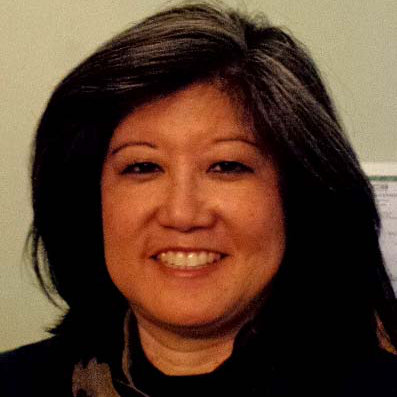
Emmy Akiyama, MA, LMFT
Certified Hakomi Therapist and Teacher
Emmy Akiyama, MA, LMFT
Certified Hakomi Therapist and Teacher
Emmy is a Licensed Marriage and Family Therapist (LMFT 51047) and Registered Art Therapist, with a private practice based in Southern California. She has experience in hospital and community mental health, as well as school-based settings, providing psychotherapy and case management services for a diverse portfolio of patients. Emmy has been studying Hakomi since 2016, and her appreciation for the Hakomi Method continues to deepen as she experiences how it powerfully transforms clients, as well as the beings of the practitioners themselves.
- Email:ealmft@gmail.com

Karen Daley, MA, LMFT, CHT
Certified Hakomi Therapist and Teacher
Karen Daley, MA, LMFT, CHT
Certified Hakomi Therapist and Teacher
Karen is honored to be traveling with others on their journey…toward wholeness. She uses the Hakomi principles and practices as a container for her work as a licensed psychotherapist (LMFT 106479). Alongside twenty years of experience in the field of community mental health, she also brings ten years as a senior leadership trainer/organization development consultant with AmeriCorps and various other non-profits.
Karen co-created and for four years directed the Resilience Clinic at UCSF Benioff Children’s Hospital Oakland, where the goal was to partner with families and build on their own knowledge by introducing both caregiver and child to nervous-system regulation and tracking, to mitigate the effects of stress.
She believes in collaboration and the power of equanimity as we deepen our awareness and understanding of our own social location as well as the social location of others. Karen believes in the transformative power of the Hakomi Method to facilitate deep healing both on an individual and a collective level.
When not with others, Karen can be found tending her garden or going on long walks.
www.manyrivershealing.com
Karen co-created and for four years directed the Resilience Clinic at UCSF Benioff Children’s Hospital Oakland, where the goal was to partner with families and build on their own knowledge by introducing both caregiver and child to nervous-system regulation and tracking, to mitigate the effects of stress.
She believes in collaboration and the power of equanimity as we deepen our awareness and understanding of our own social location as well as the social location of others. Karen believes in the transformative power of the Hakomi Method to facilitate deep healing both on an individual and a collective level.
When not with others, Karen can be found tending her garden or going on long walks.
www.manyrivershealing.com
- Phone:415-717-3391
- Email:karenlmft@manyrivershealing.com
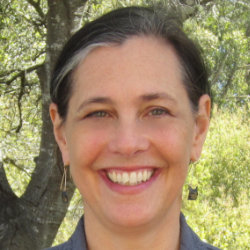
Nicole Heinrich, MA, LMFT
Certified Hakomi Therapist and Teacher
Nicole Heinrich, MA, LMFT
Certified Hakomi Therapist and Teacher
Nicole is a Certified Hakomi Therapist and Teacher, and Licensed Marriage and Family Therapist (LMFT 35701) working with individuals and couples throughout California. Nicole began her long-term study and love of Hakomi in 1988 with Ron Kurtz and has been on the faculty of the Hakomi Institute of CA since 2011. She holds a master’s degree in Somatic Psychology from California Institute of Integral Studies and has over 25 years of clinical experience integrating somatic, relational, trauma-based and psychodynamic approaches into her work. Nicole has supervised dozens of interns throughout her career and taught graduate level classes at CIIS, JFK University and Antioch University, Santa Barbara. She has years of experience and training in various forms of bodywork, meditation and contemplative movement practices. With deep trust in the present moment, Nicole brings a depth of knowledge and an open heart to her teaching and therapy practice.
- Phone:831-466-9497
- Email:nicole.heinrich.mft@gmail.com
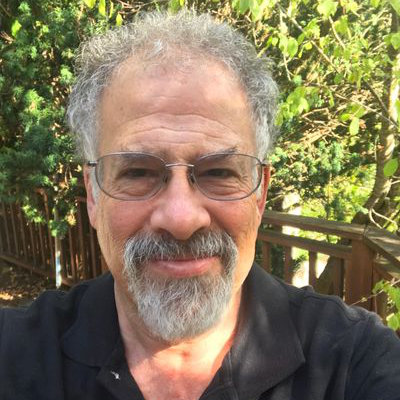
Rob Fisher, MA, LMFT
Certified Hakomi Therapist and Trainer
Rob Fisher, MA, LMFT
Certified Hakomi Therapist and Trainer
Rob is a Certified Hakomi Therapist and Trainer, a Licensed Marriage and Family Therapist (LMFT 22886) and a consultant and certified supervisor in private practice. He has served as an adjunct professor at John F. Kennedy University as well as the California Institute for Integral Studies where he co-founded the Certificate Program in Mindfulness and Compassion. He is the founder of Mindfulness-Centered Couples Therapy, which he teaches internationally. Rob is the author of a number of books, chapters and articles including Experiential Psychotherapy With Couples, a Guide for the Creative Pragmatist, which details the use of mindfulness and the body in couples therapy. He has presented his work at the Psychotherapy Networker Conference and has been a master presenter at the annual conference of the California Association of Marriage and Family Therapists. He and his wife, Hu Ting Ting, teach mindfulness and nature workshops internationally. He lives in an old farmhouse in the Green Mountains of Vermont where he composes music and writes fiction and poetry.
robfishermft.com
robfishermft.com
- Phone:415-389-6340
- Email:wildtemple@aol.com
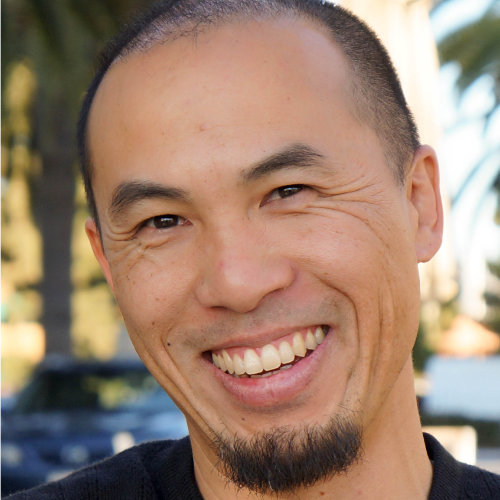
Brian Lim, MA, LMFT
Certified Hakomi Therapist and Teacher
Brian Lim, MA, LMFT
Certified Hakomi Therapist and Teacher
Brian Lim, MA, LMFT, is a Certified Hakomi Teacher and Therapist. He holds a master’s degree in Holistic Counseling from JFKU. He supervises MFT associates, teaches at CIIS, and is in private practice serving adults and couples. Brian is passionate about somatic and attuned relational experiences each person needs to heal and transform the limitations from past wounding toward establishing a full hearted, sovereign, abundant life. In his work, he interweaves: Hakomi, Neuro-affective Touch, Recreation of the Self (RCS), EMDR, Sensorimotor, Trauma to Dharma, Somatica (intimacy and sexuality coaching), and an Integral cross-cultural lens to meet the complex multifaceted dimensions of our life.
- Phone:510-214-2088
- Email:brianlimtherapy@gmail.com

Tara Shannon
Hakomi Teacher in Training, Indigenous Healer
Tara Shannon
Hakomi Teacher in Training, Indigenous Healer
Tara Shannon is a Two Spirit somatic counselor, bodyworker, and indigenous healer. Following indigenous worldview principles for over forty years, she engages somatic counseling and spiritual development, and plant based exploration in the indigenous ways to facilitate the healing of trauma and the integration of mind altering experiences. She holds integration groups and individual sessions for BIPOC and Two Spirit people.
“The red road has called me to give my full attention to working with people to process and heal trauma, generational trauma, and integrate complex altered state experiences. Over fifty years on the red road, and much additional training in modalities like Hakomi Somatic Therapy and Internal Family Systems, has supported my own ongoing healing and my capacity to hold others experience in a good way.”
“The red road has called me to give my full attention to working with people to process and heal trauma, generational trauma, and integrate complex altered state experiences. Over fifty years on the red road, and much additional training in modalities like Hakomi Somatic Therapy and Internal Family Systems, has supported my own ongoing healing and my capacity to hold others experience in a good way.”
- Phone:415-389-6340
- Email:wildtemple@aol.com
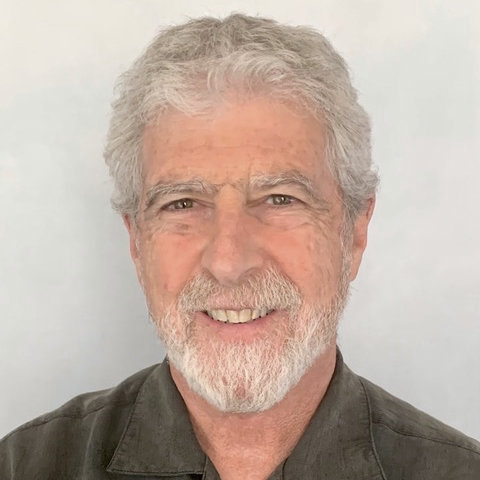
Jon Eisman, CHT
Senior Hakomi Trainer Founder of Re-Creation of the Self
Jon Eisman, CHT
Senior Hakomi Trainer Founder of Re-Creation of the Self
Jon is a founding member of the Hakomi Institute and a Senior Hakomi Trainer. Mentored personally by Ron Kurtz, he and Ron were training partners for many years in the Pacific NW. Jon helped establish and was Director or Co-Director of Hakomi branches in Toronto, Chicago, Santa Fe, Eugene, Portland, Edmonton, and California, For the past 50 years, Jon has taught and practiced throughout the United States, Canada, Europe, Asia, Australia and New Zealand, and has trained or mentored many members of the current Hakomi faculty.
With an ongoing passion for and devotion to the evolution of the Method, Jon has ongoingly developed numerous elaborations, refinements and articulations of the theory and practice of Hakomi, as well as incorporating elements of neurobiology, attachment theory and the nature of Self into his teaching. He has written several volumes of Hakomi Training Manuals, and has authored a variety of articles about the nuances of the work.
In addition to Hakomi, Jon is also the creator of two complementary models of therapy: Mindful Experiential Therapy Approaches (M.E.T.A.), which references a core, resourced Self and integrates the various categories of psychological wounding that displace a person from this core; and The Re-Creation of the Self model (R-CS), a powerful and paradigm redefining approach to working with fluid psychological states of Self in therapy, group work, relationship, performance and spiritual practice.
- Phone:541-631-9383
- Email:joneisman17@gmail.com
Applications will open soon
Learn more below. Be part of this upcoming cohort–sign up to receive program updates.