Hakomi Intro Workshop: Listening Through the Body with Shai Lavie
Hakomi is a unique form of psychotherapy that combines mindfulness, somatic awareness, and compassionate exploration resulting in profound healing and self-discovery. In this workshop, Certified Hakomi Trainer, Shai Lavie, MFT, will provide an introduction to the principles of the Hakomi method. Details will also be provided on the 7-month training starting in September 2026.
Training: Hakomi Professional Skills Level 2

This highly anticipated training offers a comprehensive and immersive foundation in the Hakomi method. Participants will engage deeply with Hakomi principles, core theories, maps and models, and the specific techniques that define the work.
Training: Hakomi Professional Skills Level 1

This highly anticipated training offers a comprehensive and immersive foundation in the Hakomi method. Participants will engage deeply with Hakomi principles, core theories, maps and models, and the specific techniques that define the work.
Training: Hakomi Comprehensive Skills Level 1

This highly anticipated training offers a comprehensive and immersive foundation in the Hakomi method. Participants will engage deeply with Hakomi principles, core theories, maps and models, and the specific techniques that define the work.
Training: Hakomi-Informed Somatic Coaching
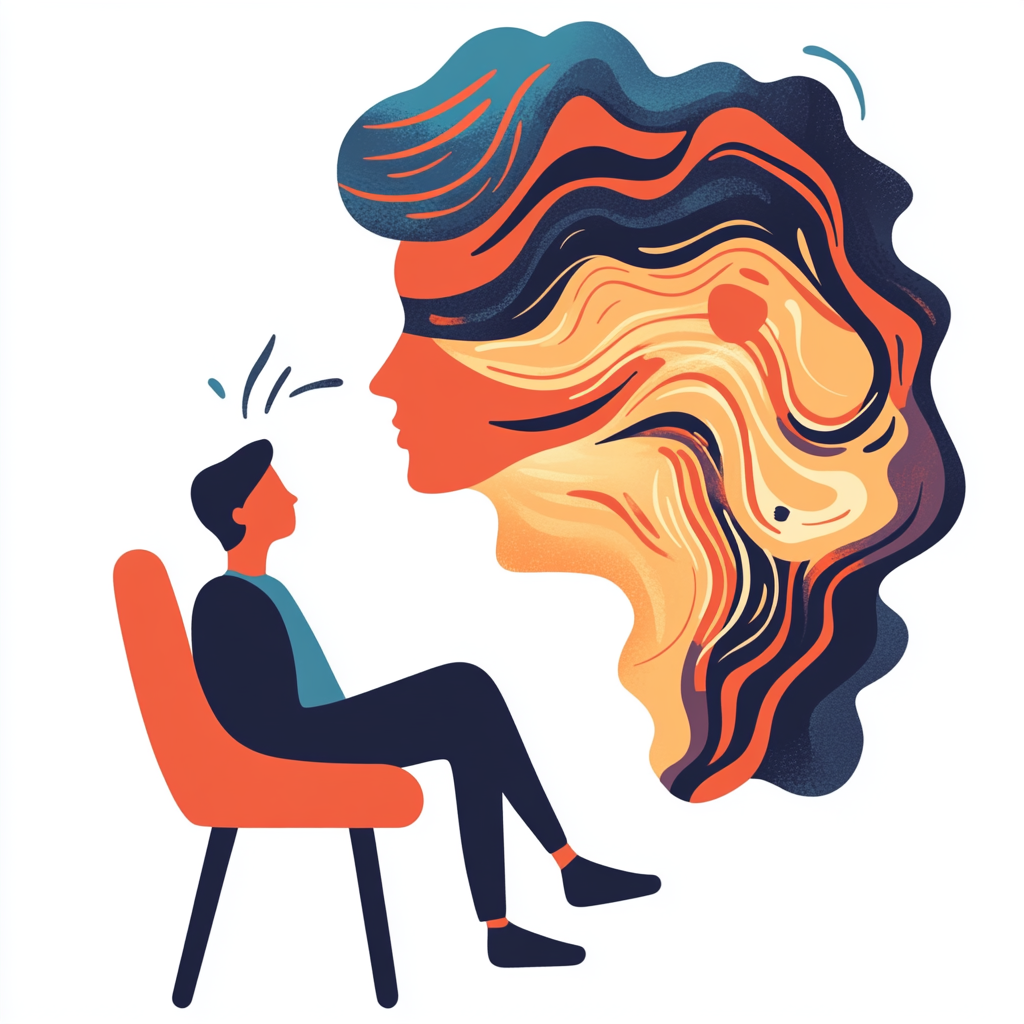
Hakomi-Informed Somatic Coaching (HiSC) is a professional training that integrates core Hakomi methodology into a coaching framework. This online training focuses on developing mindful and somatic awareness practices to deepen the client’s personal process. You will enhance both your presence and your skillset as a transformational coach. This training is suited for established coaches as well as new coaches wanting to train in somatics and mindfulness.
Course: Healing Intergenerational Trauma
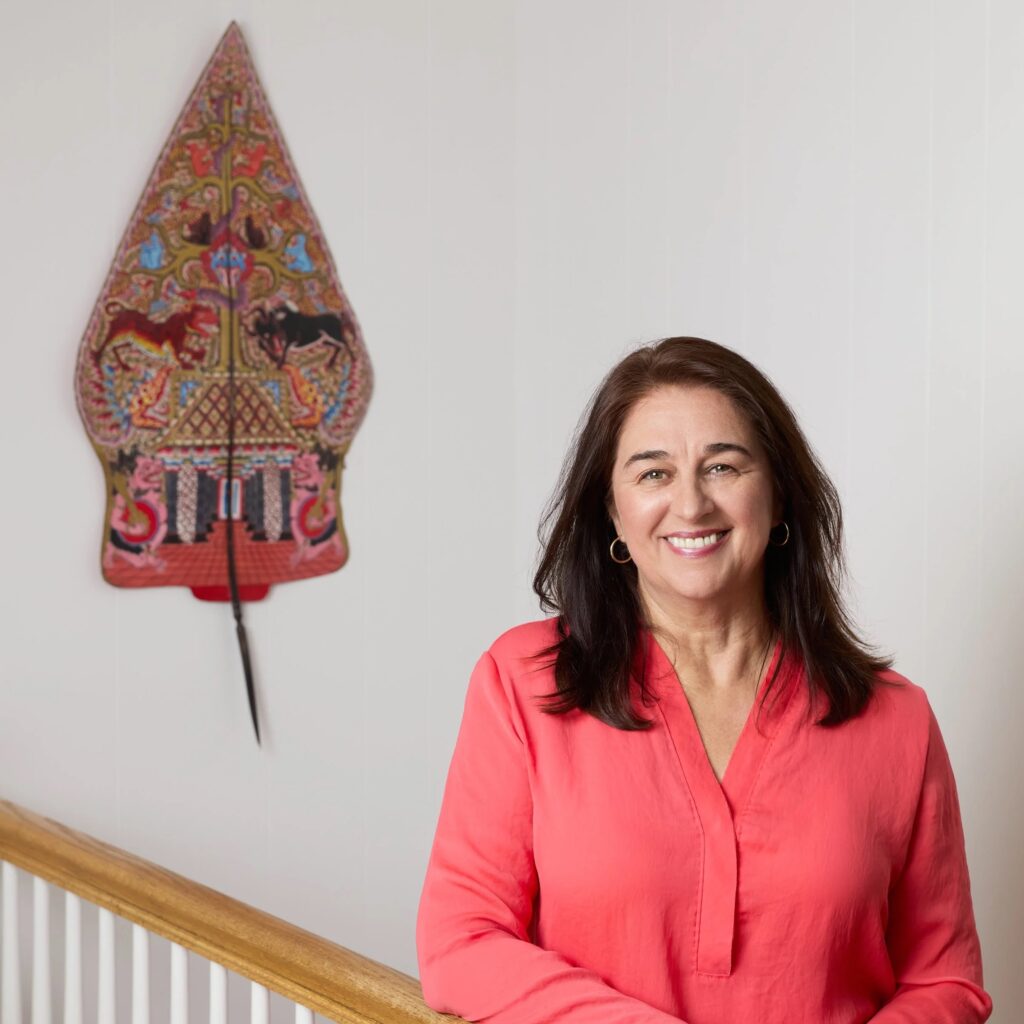
Healing Intergenerational Trauma is a six-session journey into the heart of your body’s memory and resilience. The struggles you face today may be the lingering echoes of unresolved trauma — both your own and your ancestors’ — showing up in your nervous system and shaping how you live, love, and belong.
Training: Trauma-Informed Mental Health Coaching
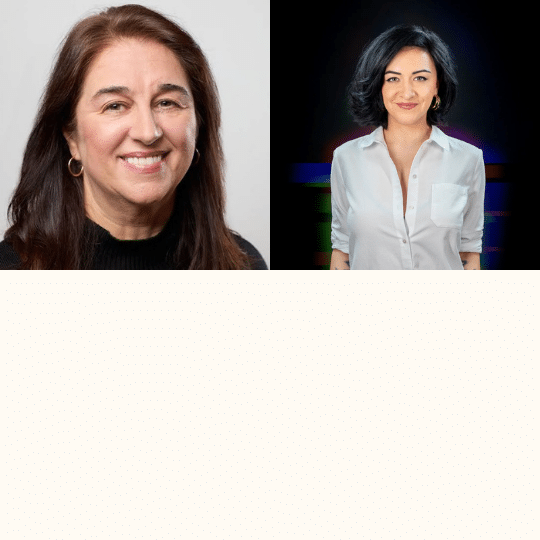
Step into the forefront of an emerging field with Trauma-Informed Mental Health Coaching. This advanced experiential training, co-taught by Manuela Mischke-Reeds and Lindsay Leopold, bridges cutting-edge trauma science with evidence-based coaching skills, preparing you to ethically and effectively support clients with mild to moderate mental health concerns.
Training: Weaving Continuum into the Therapeutic Process

Continuum is a unique inquiry into our capacity to innovate and participate in the essential, generative, and biological movement processes of life. We will explore movement in the language of life with micromovements, subtle wave motion, primordial breathing, and sound streams. Participants will cultivate a refined sensuous attention to feel intrinsic movements and an internal sense of aliveness. The explorations are guided by a philosophy of respect for innate organismic intelligence, which guides healing and creativity.
Foundations of Somatic Coaching – An ICF-Accredited Continuing Coach Education (CCE) Program
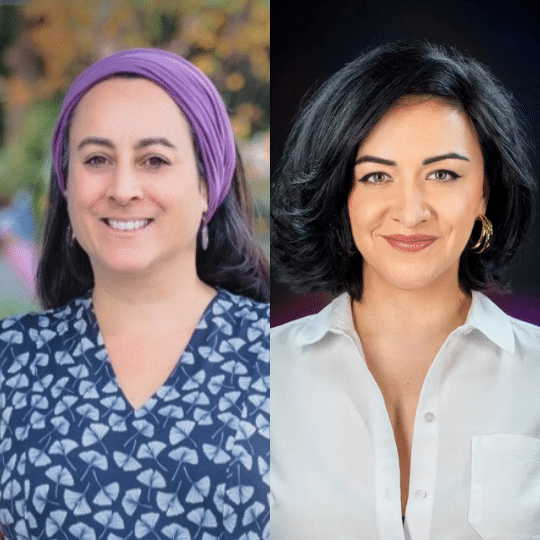
Based on ICF Core Competencies and ICF Code of Ethics, this training, combined with the Hakomi-Informing Somatic Coaching training, will provide aspiring coaches with fundamental coaching knowledge, skills, and competencies to achieve ICF-certification as an Associate Certified Coach (ACC). Rooted in somatics and mindfulness, lead instructors Ketriellah Goldfeder and Lindsay Leopold will also support participants in working on their identity as a coach and coaching mindset.
Workshop: ReParentive® Therapy – Relational Repair from an Invalidating Childhood
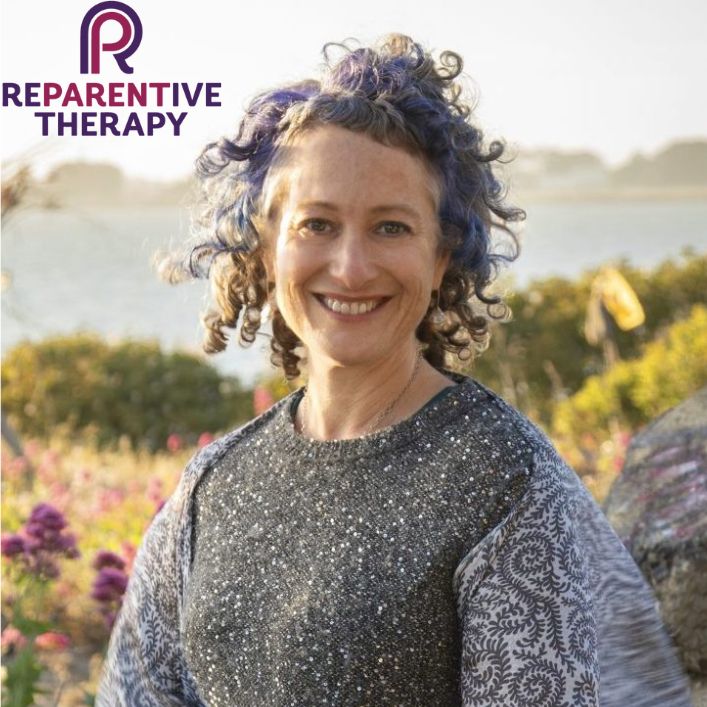
Leveraging somatic intervention while addressing attachment wounds, ReParentive® Therapy is an intergenerational trauma healing model for clients who grew up in invalidating environments. Led by Certified Hakomi Therapist, Pamela Rosin MFT, this workshop will apply somatic and mindfulness principles for the therapist’s personal nervous system regulation as well as to promote co-regulation in clients.